








Zombie Songs Part 1 unfolds as a focused, atmospheric journey through a post-apocalyptic landscape, part narrative, part emotional excavation. With its stark production, intense pacing, and vividly symbolic imagery, the album feels like a walk across the ruins of humanity, guided by a singular artistic vision.
The music blends elements of trash metal (main), black metal and death metal, and the approach is essential, unadorned, and deliberately raw. Some might call the production crude; others will hear it as genuine and unadulterated, a sound stripped to its bones so the message and the imagery can speak without interference.

The album opens with a clean, melancholic arpeggio that immediately evokes a nocturnal, almost subterranean atmosphere. Structured like a miniature suite, the track transitions through multiple movements and tempo changes, establishing the album’s narrative arc. Beneath the guitar, subtle noises rumble—scraping, shifting, earthbound textures—suggesting a story of something rising from below the ground.
The implied message, something akin to “death is not the end”, feels more like a warning than reassurance. Without a single lyric, the track introduces dread, cinematically setting the stage.
A burst of trash-metal urgency breaks the stillness in Tack 2, “No Known Cause Or Cure”. Fast, bleak, and breathless, the song rushes headlong into despair. Repetition intensifies its sense of entrapment—“no cure”, “no hope”, “no way out”. The vocals remain intentionally non-melodic, functioning more like declarations or warnings than sung lines.
The solos are played masterfully but they also sound deliberately embedded in the mix rather than spotlighted. This gives the track a unified impact: the whole sound matters more than any individual flourish, reinforcing the feeling of communal urgency and panic in a collapsing world.
The following “Dead Eyes Don’t Remember”, continues the high-speed tension but dives deeper into psychological territory. Are those eyes some ‘eyes that must not remember’ a disturbing and ambiguous motif? Or is memory too traumatic to revisit? Or does being “unalive” mean losing memories altogether?
Two vocal presences shape the narrative: a main voice that grounds the story, and a processed, spectral voice that interrupts it, perhaps representing another character, a subconscious whisper, or a buried memory.
A vivid war-like scene emerges in “Field of Tripwires”. It could be the survivors’ guerrilla tactics to fight the zombie apocalypse, but it could also the war that brought humanity to his own doom and demise. The metaphors can symbolizing real-life dangers, traumas, and emotional traps. The music matches the imagery with tense, jagged riffs, making every step feel perilous.
Midway through the album, a cinematic shift occurs. Track six, “Go For The Head”, begins with the crackle of an old vinyl record, as if retrieved from the dust of a post-apocalyptic ruin, the last fragile memory of humanity. Strings add a layer of aching melancholy, while brass and a solemn trumpet evoke a memorial service for the world that once was.
It’s a moment of reflection amid chaos, expanding the narrative and offering a glimpse of grief rather than sheer survival. A beautifully unexpected detour.
A similar chance of pace is found again towards the end of the album, when the 11th track, “And Stay Down”, slows down noticeably, opening wider emotional and sonic spaces. After so much pressure and speed, this decrease in tempo feels expansive, almost panoramic in its desolation. It shows how effective the project can be when it lets the bleakness breathe.
Moments like this are rare, though. Their scarcity may leave listeners wishing for more dynamic shifts, but it’s clear the artist chose tightness and urgency as the album’s guiding pulse.
With the 12th track, a reprise of the opener, the album closes where it began: with the same melancholic arpeggio, now transformed by everything the listener has endured. This reprise creates a circular narrative—life and death not as opposites, but as a cycle. Personal cycles of collapse and renewal echo the album’s apocalyptic world.
Then comes the final gesture: a heartbeat. Soft, human, unmistakable. After all the death, decay, and despair, the album ends not with extinction, but with rebirth. The heartbeat reframes the entire journey: grief processed, pain survived, something alive emerging from ruin. A fragile pulse, but a pulse nonetheless.
Album Artwork
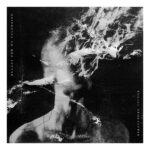
The cover mirrors the music perfectly: pitch black, marked only by a few primitive scratch-like lines. These incisions echo the raw sound, the nocturnal atmosphere, and the scars of the story. Minimalist, damaged, and essential—just like the album itself.
Conclusion
Zombie Songs Part 1 is a tightly focused descent into post-apocalyptic desolation, guided by vivid imagery, raw production, and a singular artistic vision. Its atmosphere is unflinchingly bleak, yet within that darkness it explores memory, trauma, obstacles, and the quiet possibility of rebirth.
The final heartbeat leaves the listener standing in the ruins—but aware that something still survives, still continues, still begins again.
Find this, and more, on Bandcamp: thisisevilpete.bandcamp.com
Review by Stefano Barone