



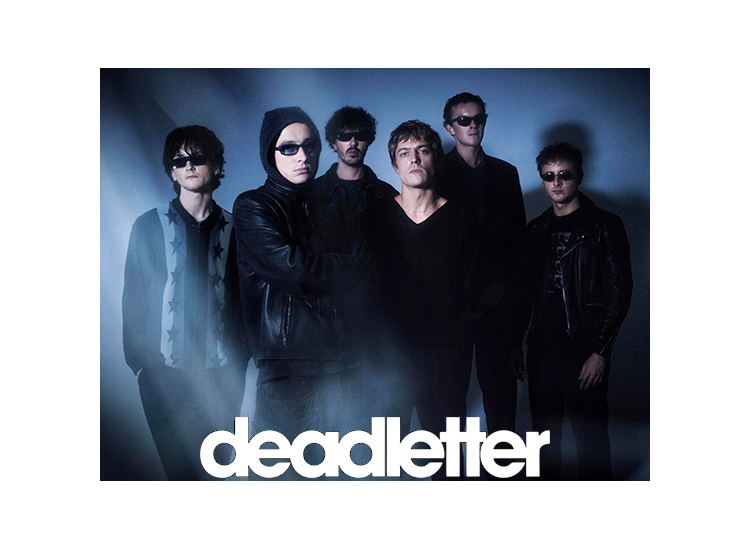
From the very beginning, Deadletter felt like a band destined for something big.
I remember hearing “Pop Culture Connoisseur” (2021) on the radio for the first time and immediately sounded massive, fully formed, already epic. And when I first saw them live (the Lexington, 2022) comparisons floated through my mind: is this what would happen if you crossed Iggy Pop and Mick Jagger fronting Talking Heads?
But those metaphors quickly become unnecessary. Deadletter are not a strange hybrid experiment. They have a powerful musical and artistic personality entirely their own. Zac Lawrence, in particular, doesn’t borrow charisma, he generates it! A magnetism that places him among the most compelling frontmen of this generation, and probably beyond. And crucially, the band have continued to grow.
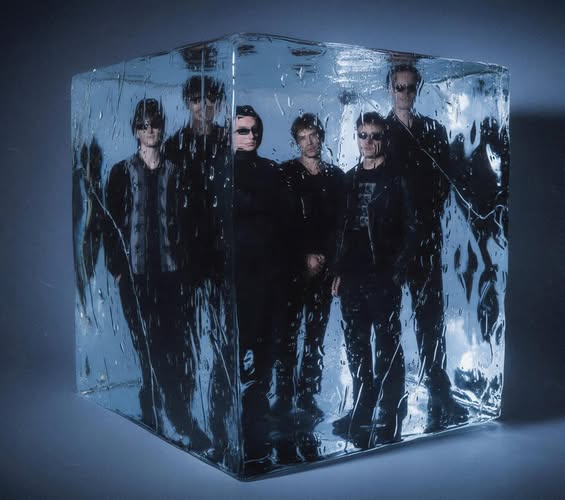
After ‘Pop Culture Connoisseur’, I remember thinking: this is a hard act to follow… did they just release their best ever single as their very first statement? It already sounded so complete, so artistically mature, that it almost felt unfair to expect anything bigger.
But that was only the beginning.
What followed proved that the early impact wasn’t a peak, it was a starting point. Each subsequent single and EP sharpened their identity. With following singles like “Binge” and “Relieved”, and then the previous album as a whole, Deadletter didn’t plateau, they accelerated. Each release felt like another layer added to their architecture of sound. There was a moment when the departure of original saxophonist Poppy Rickler raised questions about the band’s future. Yet Nathan Pigott not only filled the space but found also his own voice within the sound.
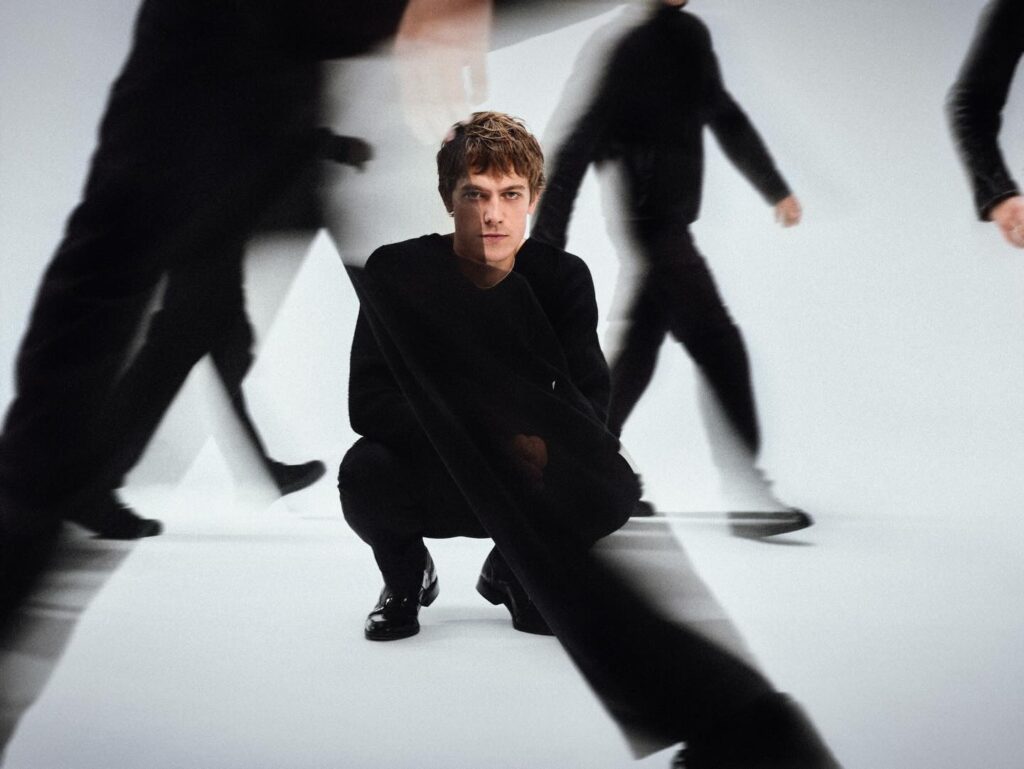
They evolved relentlessly, while confirming themselves as one of the most powerful live act of the whole contemporary scene.
In a way, they embodied the very crescendo that defines so much of their music. Deadletter didn’t just write crescendos. They became one.
This new record feels like the natural yet impressive continuation of that upward trajectory: steady, fearless growth, and adding an expansion in newer sonic territories while affirming their defining high-energy, retaining their beautifully contaminated post-punk roots that refuse restrain, with influences ranging from ska to noise and everything in between that has shaped Deadletter.
Lyrically, Zac draws from a literature of contrasts, echoing traditions where beauty and brutality coexist, reminiscent of the emotional extremities found in Russian literature. That poetic sensibility mirrors the music itself: beauty expressed through distortion, elegance emerging from noise, chaos becoming an irresistible pulse. His vocals and stage persona personify the exhilarating, rousing energy of the band, with a growing confidence that is reflected in the latest album and shines through every song.
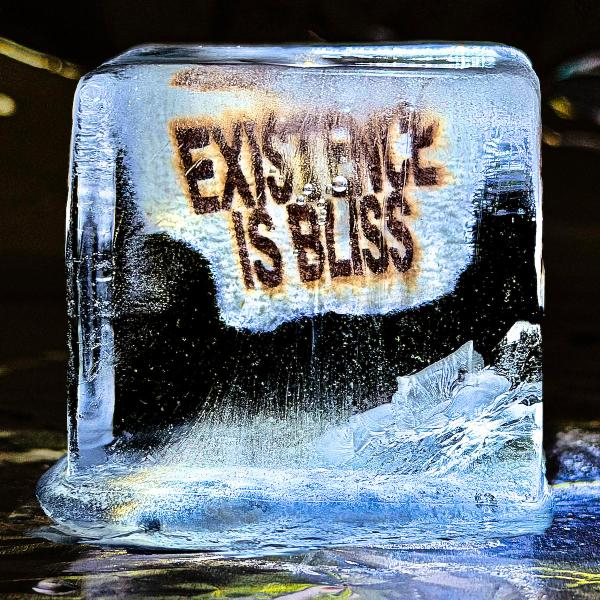
‘Existence Is Bliss’ opens in a state of electric suspension. For the first minute and a half of Purity I there is tension in the air, a sense that something is about to erupt. The band resist the urge to explode too soon, holding back before the kick drum finally crashes in, joined by a strong, powerful bassline. It’s a moment of ignition. The bass, always one of Deadletter’s defining features, once again proves central. George Ullyott’s killer basslines are never merely decorative; they are foundational, muscular, hypnotic, and driving.
To The Brim surprises immediately with the unusual and deceiving presence of a nylon or acoustic guitar sound. It feels almost intimate at first, disarming. But the restraint doesn’t last. The familiar force soon breaks through, guitars expanding into dense, slightly “stoned” distorted soundscapes that border on noise. It’s here that the album’s genre-defying nature begins to assert itself. The guitars push further than before, flirting with other sonic territories, yet nothing feels diluted. Instead, the band seem to collect strength from every landscape they explore. Even at their most abrasive, they remain irresistibly catchy, powerful and visceral yet memorable.
It’s the saxophone, an instrument that has always been central to their identity, that introduces Songless Bird. The sax can be acid, melodic, wild, and constantly refuses expectation. Supported by a fantastic rhythm section and yet another killer bassline, the interplay between guitar and sax becomes mesmerizing: sometimes dissonant, sometimes harmonically beautiful, sometimes almost interfering with one another before resolving into clarity. In the loudest moments, the band achieve something like architectural chaos, a towering, shifting structure of sound that feels overwhelming yet meticulously built.
It Comes Creeping, one of the singles that received significant radio airplay, confirms their uncompromising spirit. It begins with a chaotic and fascinating sax introduction before plunging into razor-sharp noise guitars and driving post-punk energy. There’s no smoothing of edges for accessibility, and yet it works perfectly as a single. That tension between abrasion and immediacy is one of their great strengths.
What The World Missed shifts the mood. It slows down, becoming more reflective, but introduces an unusual drum pattern that keeps the track alive and unpredictable, followed by the ticking clock-like intro of Cheers!, gradually building into a powerful crescendo. It shows continuity with earlier work reaffirming artistic roots and identity.
Track seven, Among Us, returns to a bass-driven assault. A big, fat, distorted bassline dominates, grounding the song in a thick groove. In the chorus, the arrangement opens beautifully, with the other instruments surging in with renewed energy. The dynamic lift is exhilarating without sacrificing density.
The slower Focal Point (track eight) begins with a hypnotic low-register sax. Scratching guitars gradually introduce friction, and a post-punk bass arpeggio takes over the drive. The slower pace gives space to appreciate the guitar work in detail: acid, noisy textures balanced by expansive soundscapes, delays stretching notes into emotional echoes. The contrast between dissonance and harmony, especially in dialogue with the sax, keeps the music constantly engaging. The use of effects is magnificent, sculpting and expanding atmosphere.
Track nine, (Back to) the Scene of Crime, reminds us how anthemic Dead Letter can be. Pounding drumbeats, a sharp guitar riff, and catchy vocals combine into something built for live intensity. Like track six, ‘Cheers!’, it confirms their tradition of energetic, infectious songwriting, powerful without compromise.
Frosted Glass revolves around an obsessive, insistent guitar riff. It’s straight, square, almost mechanical, yet never tires. Instead, the repetition becomes hypnotic. The band layer around it carefully, demonstrating once again how masterfully they craft contrast and build-up.
He, Itself and Him, returns to a bass-driven formula: a direct, effective line that anchors the track with muscular clarity. The simplicity is its strength. The groove becomes the engine, supported by tight drums and textured interplay above.
Finally, Meanwhile in Parallel” closes the album in perfect synthesis. It begins with a minimalistic guitar phrase, patiently repeated, before gradually expanding. The build is deliberate and architectural. And then comes the explosion: vocals, fat bass, noisy guitars, and sax all revolving around each other, throwing themselves fully into the sound. It encapsulates everything the album represents: contrast, tension, release, chaos shaped into form.
This album does not merely confirm Deadletter’s promise, it magnifies it. They sound massive, sophisticated, and fearless. They experiment without losing identity. They build chaos into architecture. They remain powerful, catchy, and utterly distinctive.
They are not becoming great.
They already are.
Album review by Stefano Barone